
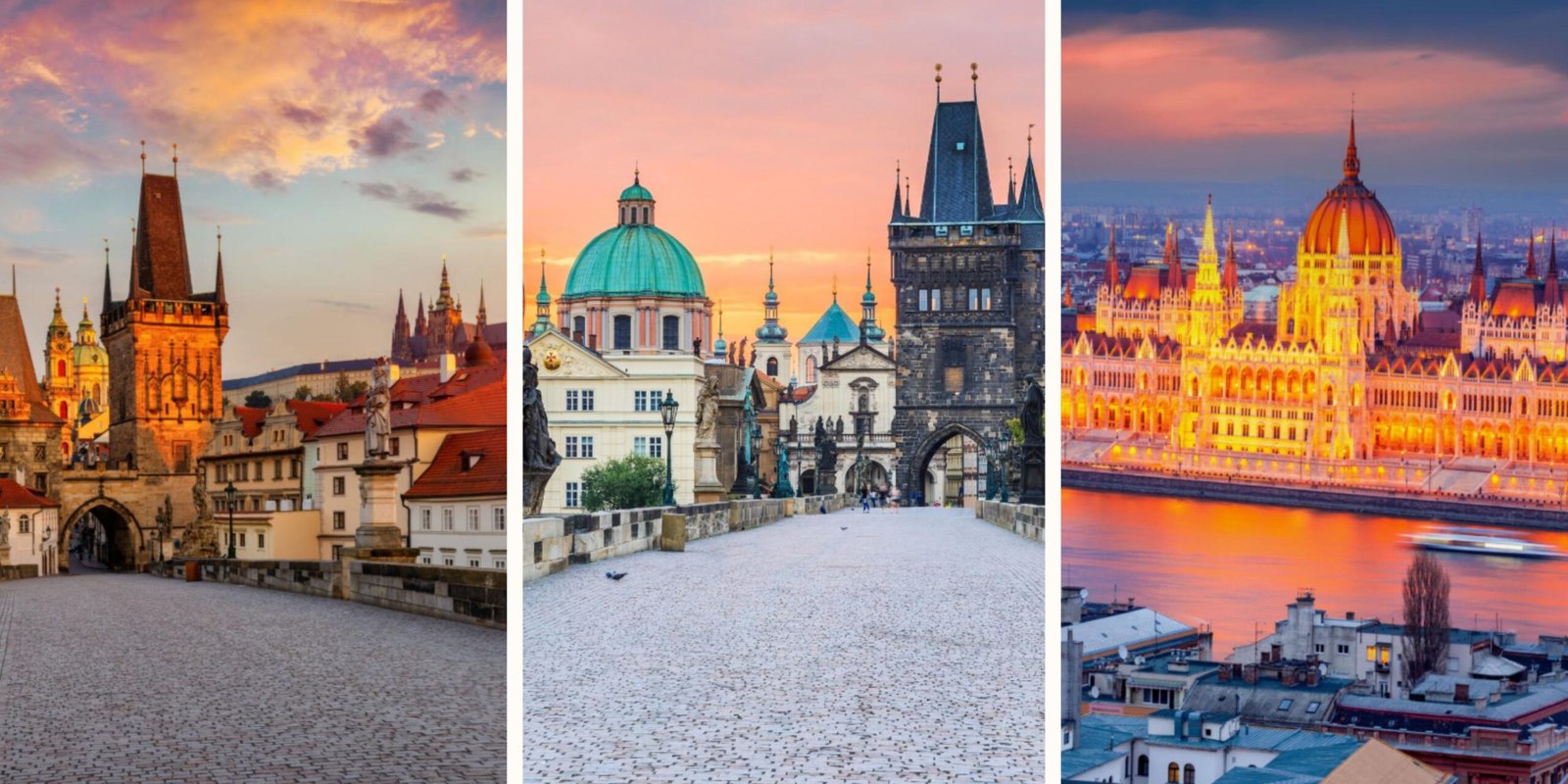

Europe has a reputation for expensive hotels, overpriced restaurants, and sightseeing tickets that quietly eat through your holiday budget. Spend a few days in Paris, Amsterdam, or Copenhagen, and it’s easy to understand why.
But you don’t have to spend a fortune to enjoy beautiful European cities.
You can wander through medieval streets in Poland, enjoy coffee beside a centuries-old market in Bosnia, soak in Budapest’s thermal baths, or spend an afternoon on a Spanish beach without paying luxury-holiday prices.
The trick is knowing which cities offer genuinely good value and which ones are only affordable compared with even more expensive destinations.
According to the 2026 Post Office City Costs Barometer, Sarajevo, Bucharest, and Tirana are among Europe’s best-value city-break destinations. The comparison considered accommodation, meals, transport, and attractions across 50 cities.
Some popular destinations, including Lisbon and Berlin, are no longer especially cheap. They’re still worth considering, but your travel dates and accommodation choices matter much more.
These ten European cities offer a mix of affordable experiences, beautiful architecture, interesting neighborhoods, and enough things to do to make the journey worthwhile.
Cheap European Cities To Visit If You Are on a Budget
1. Prague, Czech Republic – Medieval Streets and Storybook Views
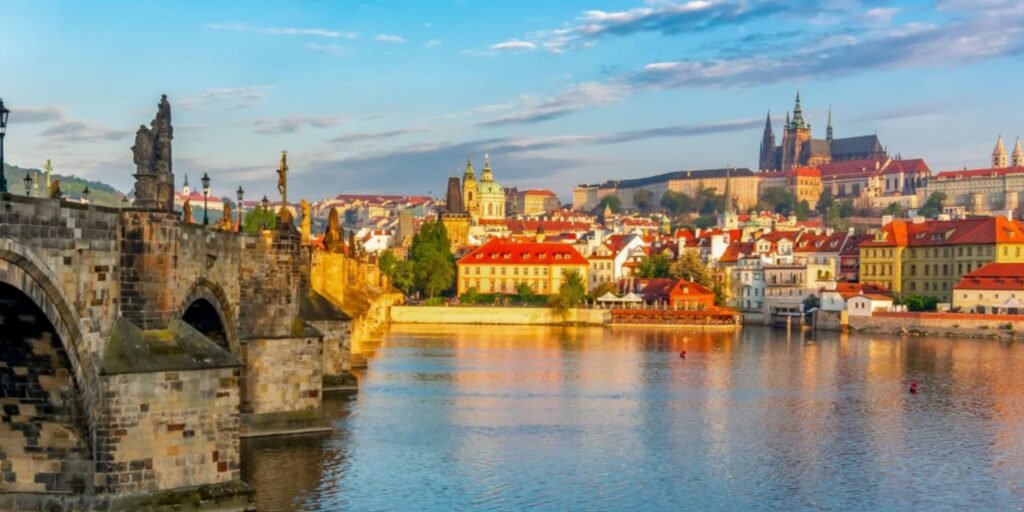
Prague looks like a city someone dreamed up for a historical film. Gothic church towers rise above red rooftops, cobblestone streets wind between pastel buildings, and the Vltava River divides some of Europe’s prettiest architecture.
The city is no longer the bargain it once was, especially around Old Town Square. But it can still offer good value if you stay outside the busiest tourist streets.
Best things to do in Prague
Start at Charles Bridge early in the morning, before the tour groups arrive. The views of Prague Castle across the river are particularly beautiful when the city is still quiet.
From there, explore Old Town Square, watch the Astronomical Clock, and wander through the narrow streets of Malá Strana.
Prague Castle is worth visiting, although some interiors require paid admission. You can enjoy parts of the castle complex and surrounding views without buying every available ticket.
For a different perspective, head to Letná Park, where you’ll find wonderful views across the city’s bridges.
Eating and staying on a budget
Traditional Czech food is often more affordable in neighborhood pubs than in restaurants directly beside major attractions. Try svíčková, beef served with a creamy vegetable sauce, or smažený sýr, a popular fried-cheese dish.
For accommodation, look around Žižkov, Vinohrady, or neighborhoods with convenient tram connections.
Money-saving tip: Prague’s historic center is very walkable. Explore one neighborhood at a time rather than buying unnecessary transport tickets or expensive sightseeing tours.
MUST READ===>> 12 Simple Tricks To Score The Cheapest Flights To Anywhere In The World
2. Budapest, Hungary – Thermal Baths, Grand Architecture, and Riverside Evenings
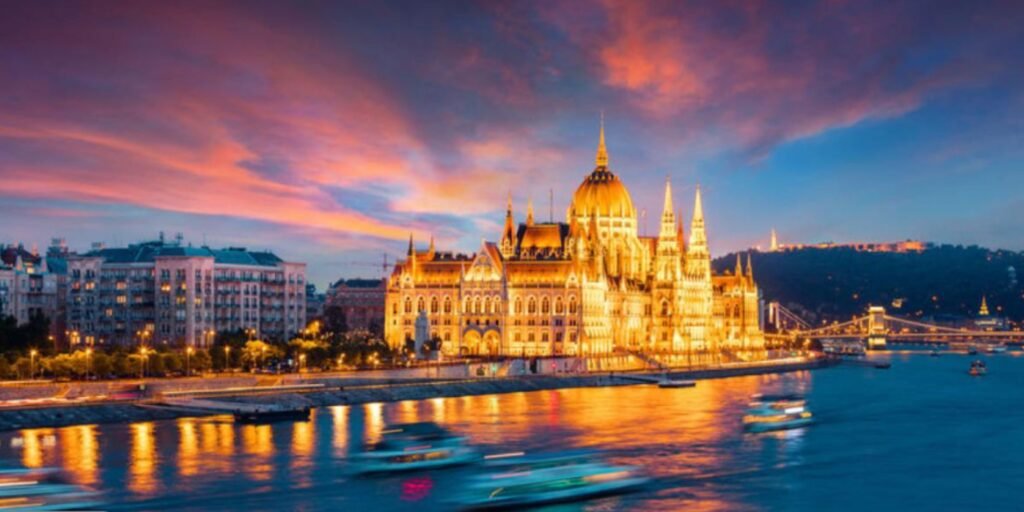
Budapest is one of those cities that feels grander than its price tag suggests.
The Hungarian Parliament Building looks spectacular beside the Danube, historic trams pass elegant buildings, and thermal bathhouses offer a relaxing break after hours of walking.
Budapest has become more expensive in recent years, particularly in popular nightlife areas, but you can still enjoy much of its beauty without spending heavily.
Best things to do in Budapest
Walk along the Danube Promenade for views of Parliament and Buda Castle. The riverside is especially lovely after sunset, when the bridges and historic buildings are illuminated.
Cross the Chain Bridge, explore Castle Hill, and visit Fisherman’s Bastion. Some terraces are freely accessible, while certain upper sections charge admission.
Budapest’s thermal baths are another major attraction. Széchenyi is famous for its outdoor pools, although entry is a substantial sightseeing expense rather than an everyday budget activity.
If you prefer something free, explore Margaret Island, a large green retreat in the middle of the Danube.
Where to save money
Hungarian cafeterias, bakeries, and casual restaurants are good places to try local dishes without paying tourist-area prices.
Look for goulash, chicken paprikash, and lángos, a fried flatbread often topped with sour cream and cheese.
Budapest’s trams and metro also make it easy to stay a little farther from the center.
Money-saving tip: Compare the price of individual transport tickets with a travel pass before buying. If you’re spending most of your time walking around central Pest, a longer pass may be unnecessary.
3. Kraków, Poland – Beautiful Old Towns Without Western European Prices
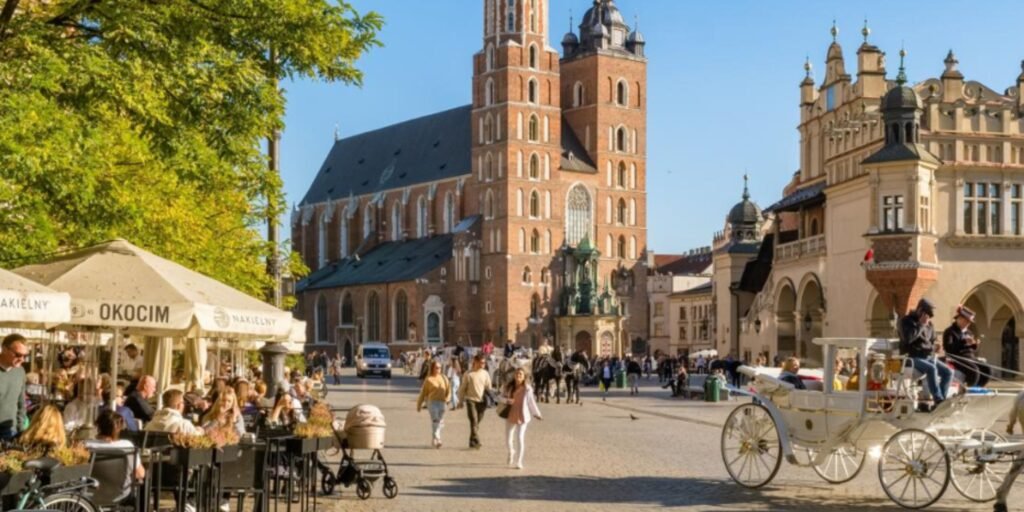
Kraków is a strong choice if you want a traditional European city break with beautiful architecture, fascinating history, and affordable Polish food.
Its historic center is compact enough to explore on foot, which immediately helps keep daily spending down.
The Main Market Square is one of the largest medieval town squares in Europe. Surrounded by historic buildings, restaurants, and the famous Cloth Hall, it’s a lovely place to spend an afternoon.
Best things to do in Kraków
Explore the Old Town, admire St. Mary’s Basilica, and walk through Planty Park, the green belt surrounding the historic center.
Wawel Hill is another essential stop. You can enjoy the grounds and exterior views without purchasing tickets for every exhibition.
Kazimierz, Kraków’s historic Jewish quarter, has a different atmosphere, with old synagogues, small galleries, cafés, and restaurants.
For a meaningful day trip, the Auschwitz-Birkenau Memorial and Museum is accessible from Kraków. Visits require advance planning, and the site should be approached as a place of remembrance rather than ordinary sightseeing.
The Wieliczka Salt Mine is another popular excursion, although guided tickets can make it a relatively expensive outing.
Cheap food worth trying
Polish milk bars, known as bar mleczny, are excellent places for simple, traditional meals.
Try pierogi filled with potatoes and cheese, żurek soup, or potato pancakes.
Money-saving tip: Stay within walking distance of the Old Town or close to a tram stop. Kraków’s main sights are concentrated enough that you may need very little transport.
4. Lisbon, Portugal – Sunny Streets and Atlantic Views
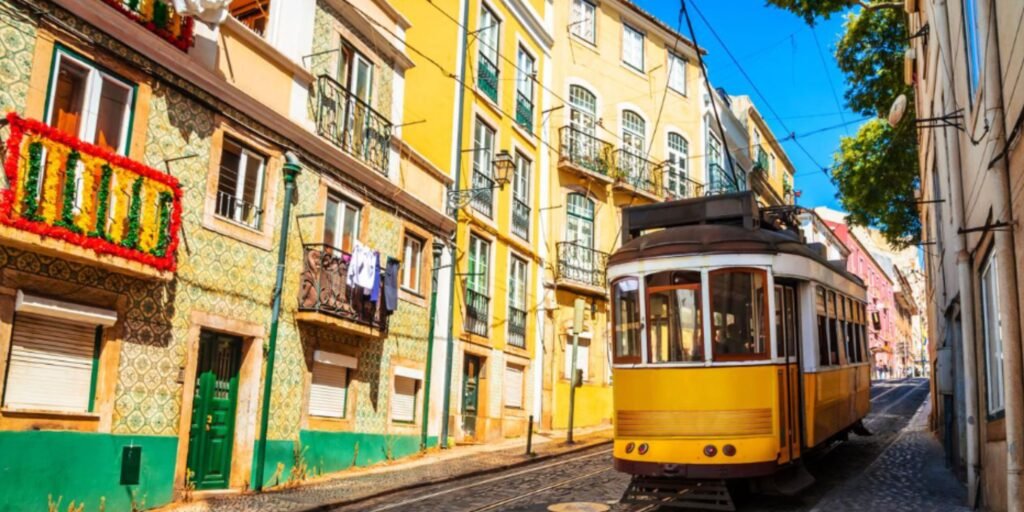
Lisbon isn’t one of Europe’s cheapest capitals anymore. Accommodation prices have risen, and its most photographed neighborhoods can be surprisingly expensive.
Still, if you want warm weather, coastal scenery, historic trams, and wonderful food, Lisbon can be a rewarding destination when planned carefully.
The city’s steep streets are lined with tiled buildings, while viewpoints reveal terracotta rooftops stretching toward the Tagus River.
Best things to do in Lisbon
Spend time exploring Alfama, one of Lisbon’s oldest neighborhoods. Its winding lanes, tiled houses, and small squares are particularly atmospheric.
For sweeping views, visit Miradouro da Senhora do Monte or Miradouro de Santa Catarina. Many of Lisbon’s viewpoints are free.
Belém is another worthwhile area, especially for its waterfront monuments and the famous Pastéis de Belém bakery.
If you want a beach day, take the train toward Cascais or Estoril. Both are accessible without renting a car.
How to visit Lisbon for less
Eat at traditional neighborhood restaurants known as tascas, where you’ll often find daily specials and straightforward Portuguese cooking.
Try a bifana, a seasoned pork sandwich, or a pastel de nata with coffee.
Accommodation around major tourist areas can be expensive, so compare places near metro stations rather than focusing exclusively on Alfama or Baixa.
Money-saving tip: Don’t automatically purchase the Lisboa Card. Calculate the cost of the attractions you genuinely intend to visit, then compare that total with the card’s current price.
ALSO READ==>> 12 Most Scenic Train Journeys in Europe Worth Planning a Trip Around
5. Berlin, Germany – History, Street Art, and Creative Neighborhoods
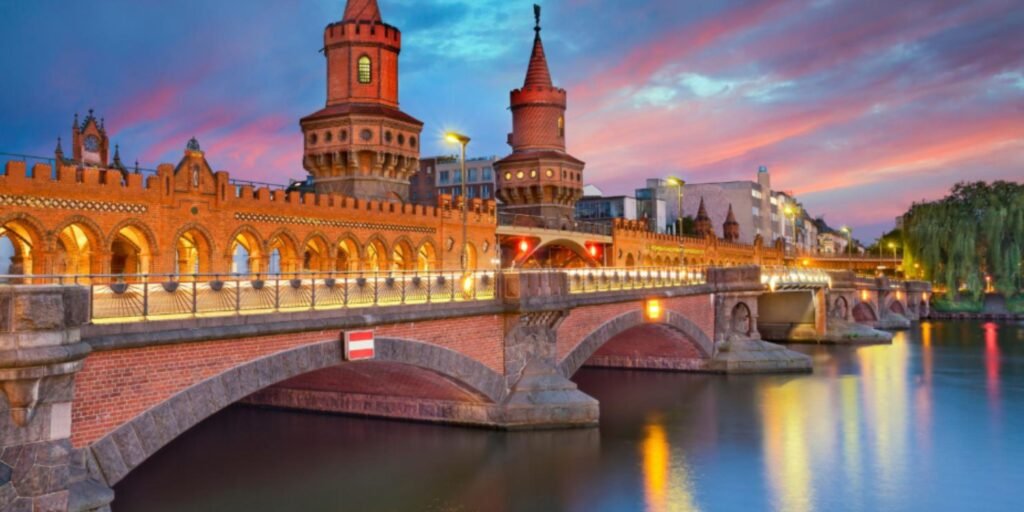
Berlin isn’t a low-cost city by Eastern European standards, but it offers something particularly useful for budget travelers: plenty of interesting things to do without paying admission.
Its appeal is different from Prague or Kraków. Instead of a polished medieval center, Berlin has contrasting neighborhoods, modern art, historical landmarks, and an enormous creative scene.
Best things to do in Berlin
The East Side Gallery is a wonderful starting point. This surviving section of the Berlin Wall has been transformed into an outdoor art gallery.
Visit the Brandenburg Gate, walk through the Tiergarten, and explore the Memorial to the Murdered Jews of Europe.
The Reichstag dome is another excellent attraction. Admission is free, but advance registration is required.
Berlin’s neighborhoods are attractions in themselves. Kreuzberg has a lively food scene, while Prenzlauer Berg is known for its leafy streets and cafés.
Affordable food and accommodation
Berlin has an impressive variety of casual international food.
Döner kebabs, falafel, Turkish bakeries, and inexpensive lunch specials can help keep meal costs manageable.
Look for accommodation near a U-Bahn or S-Bahn station, even if it isn’t directly in Mitte.
Money-saving tip: Berlin is much larger than it appears on a map. Group attractions by neighborhood to avoid wasting time and money traveling back and forth.
6. Sarajevo, Bosnia and Herzegovina – One of Europe’s Best-Value City Breaks
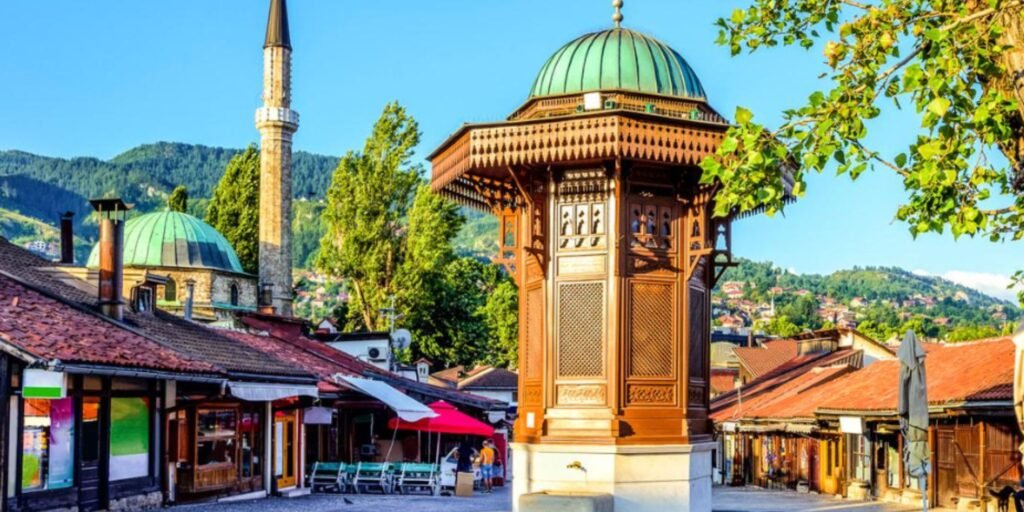
Sarajevo deserves a place near the top of any affordable European travel list.
In fact, the 2026 Post Office City Costs Barometer ranked Sarajevo as Europe’s best-value city break among the 50 destinations surveyed. Its basket of 12 typical tourist expenses cost approximately €287 for two people, including two nights of accommodation. That isn’t the total price of a complete holiday, but it gives a useful indication of the city’s affordability.
Beyond the prices, Sarajevo is a fascinating city.
Ottoman-era streets sit close to Austro-Hungarian buildings, mountain slopes surround the capital, and small cafés serve traditional Bosnian coffee in beautiful copper pots.
Best things to do in Sarajevo
Begin in Baščaršija, the historic bazaar district. Its narrow streets are filled with traditional shops, bakeries, coffeehouses, and old mosques.
Visit the Latin Bridge, associated with the assassination of Archduke Franz Ferdinand in 1914, and learn about the city’s more recent history at the War Childhood Museum or Gallery 11/07/95.
For a change of scenery, take the cable car toward Mount Trebević, where you’ll find mountain views and access to walking trails.
The cable car is a paid attraction, but exploring Sarajevo’s historic streets costs nothing.
Where to eat cheaply
Sarajevo is an excellent place to enjoy traditional food on a modest budget.
Try ćevapi, small grilled sausages served with flatbread and onions, or burek, a flaky pastry filled with meat.
Local bakeries are particularly useful for inexpensive breakfasts and quick lunches.
Money-saving tip: Choose accommodation close to Baščaršija or along a convenient tram route. You can explore much of the historic center on foot.
MUST READ==>> 15 Beautiful Christmas Villages and Towns in Europe for a Magical Winter Getaway
7. Valencia, Spain – Beaches, Beautiful Architecture, and Affordable Spanish Food
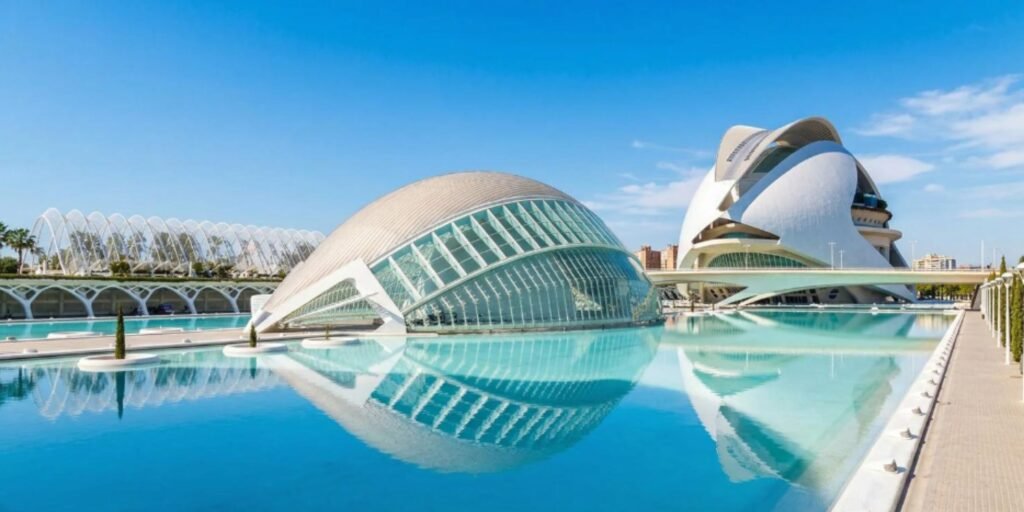
Valencia is a wonderful alternative to Spain’s more expensive and crowded tourist destinations.
It has Mediterranean beaches, an attractive historic center, excellent food, and one of Europe’s most unusual architectural complexes.
You can spend the morning exploring old streets, have a long lunch at a local restaurant, and finish the afternoon beside the sea.
Best things to do in Valencia
Start in the historic center, where you’ll find Valencia Cathedral, Plaza de la Virgen, and the beautiful Central Market.
Then visit the City of Arts and Sciences, a collection of futuristic buildings surrounded by pools and landscaped spaces.
You don’t need to purchase tickets to appreciate the architecture. Walking around the exterior is an experience in itself.
The Turia Gardens are another highlight. This enormous green space follows the former riverbed through the city and is perfect for walking, cycling, or enjoying a picnic.
For beach time, head to Malvarrosa or Patacona.
Eating well without overspending
Valencia is the birthplace of paella, and trying the local version is worth making time for.
Traditional Valencian paella commonly includes chicken, rabbit, beans, and rice rather than the mixed seafood versions many visitors expect.
For better value, look for restaurants offering a weekday menú del día, a set lunch menu.
Money-saving tip: Visit in spring or autumn for pleasant sightseeing weather. Avoid the busiest festival periods if affordable accommodation is your priority, particularly during Las Fallas in March.
8. Riga, Latvia – Colorful Old Towns and Beautiful Art Nouveau Streets
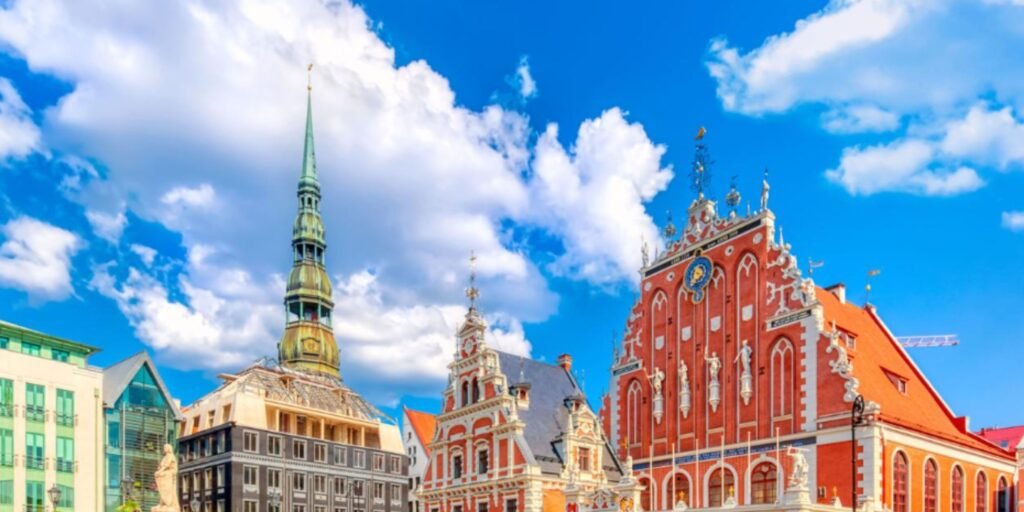
Riga has the kind of architecture that makes you want to keep your camera ready.
Its historic center has cobblestone streets, colorful medieval buildings, church towers, and inviting little squares.
Beyond the Old Town, you’ll find some of Europe’s finest collections of Art Nouveau architecture, with elaborate façades decorated with sculptures, flowers, and unusual faces.
Riga also placed among the ten best-value European city breaks in the 2026 Post Office comparison.
Euronews
Best things to do in Riga
Explore the UNESCO-listed Old Town, including Town Hall Square, the House of the Blackheads, and the Three Brothers historic buildings.
Then walk toward Alberta Street, where many of Riga’s most impressive Art Nouveau buildings are located.
The architecture is free to admire from the street.
Riga Central Market is another interesting stop. Its enormous market halls contain food stalls, produce sellers, and opportunities to try Latvian specialties.
For a peaceful afternoon, stroll through Bastejkalna Park or along the city canal.
Affordable Latvian food
Look for casual restaurants and cafeterias serving traditional dishes such as grey peas with bacon, soups, and potato-based meals.
The Central Market is useful for buying inexpensive snacks or putting together a simple lunch.
Money-saving tip: Riga is especially appealing in late spring and early autumn. Winter can bring lower accommodation prices, but temperatures are cold and daylight hours are short.
9. Thessaloniki, Greece – Ancient History and a Relaxed Waterfront
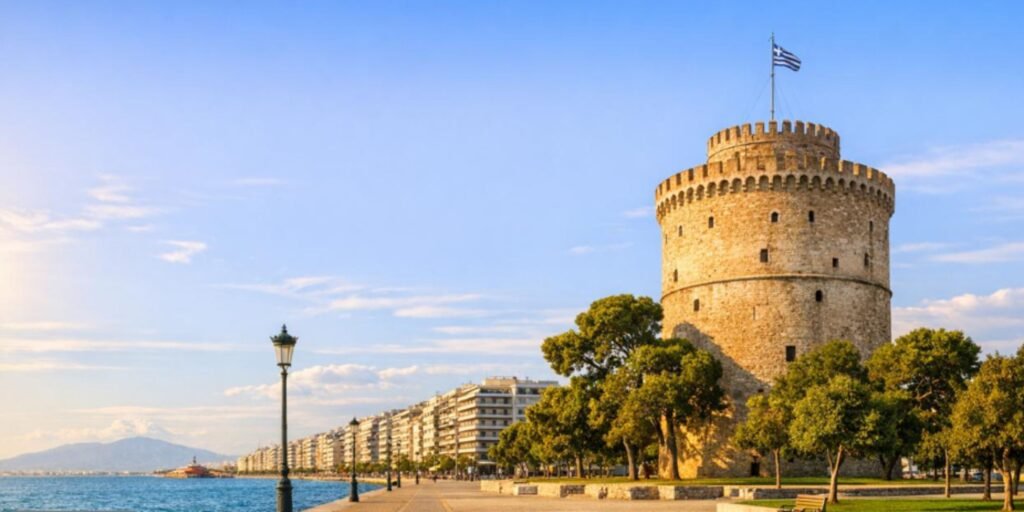
If your dream European holiday involves Greek food, sunny waterfront walks, historic streets, and lively cafés, Thessaloniki deserves serious consideration.
Greece’s second-largest city has a more everyday, lived-in atmosphere than many of the country’s island resorts.
Its waterfront stretches along the Thermaic Gulf, and the city is packed with Byzantine churches, Roman remains, markets, and casual places to eat.
Best things to do in Thessaloniki
Walk along the waterfront promenade toward the White Tower, one of the city’s most recognizable landmarks.
The promenade is free, although entering the tower’s museum requires a ticket.
Explore Aristotelous Square, visit the Roman Forum, and wander through Ano Poli, the Upper Town.
Ano Poli is particularly lovely because of its traditional houses, winding streets, and views across the city.
Thessaloniki also has remarkable Byzantine monuments, several of which form part of a UNESCO World Heritage listing.
Enjoying Greek food on a budget
One of the pleasures of Thessaloniki is its casual food culture.
Try bougatsa, a flaky pastry often filled with custard or cheese, for breakfast.
Gyros, souvlaki, and bakery snacks are practical choices when you don’t want to spend heavily on restaurant meals.
For a longer lunch, look for traditional tavernas outside the most tourist-heavy waterfront locations.
Money-saving tip: Thessaloniki isn’t directly surrounded by the famous sandy beaches associated with Greek islands. For a proper beach day, allow extra time to reach suitable coastal areas, and check transport connections before planning your itinerary.
10. Sofia, Bulgaria – Historic Churches and Mountain Adventures
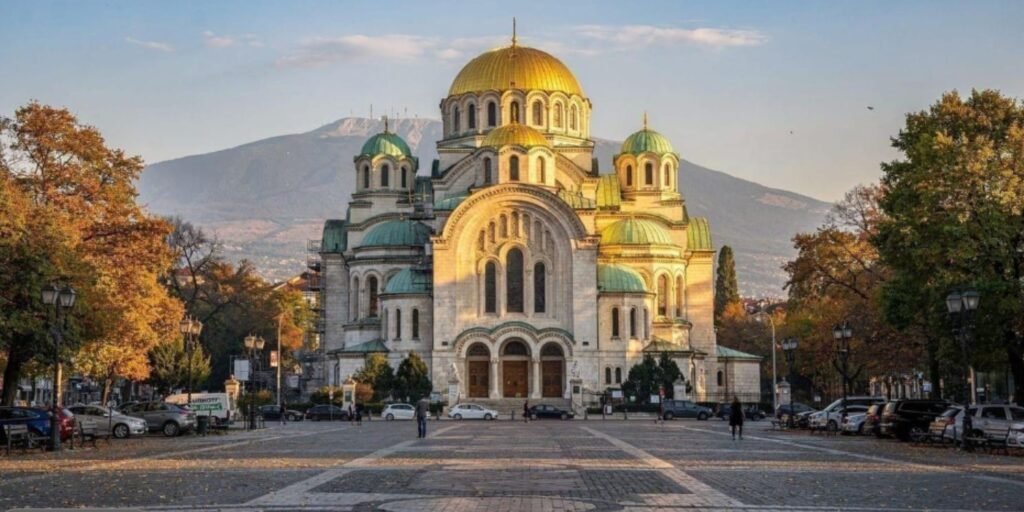
Sofia is an excellent choice for travelers who want to combine city sightseeing with outdoor activities.
The Bulgarian capital has ancient Roman remains, Orthodox churches, leafy boulevards, and mountains close enough for a day trip.
It’s also relatively easy to explore without spending much on attractions.
Best things to do in Sofia
Start at Alexander Nevsky Cathedral, one of Bulgaria’s most recognizable landmarks.
Its gold and green domes make it particularly beautiful in the morning light.
Walk through the city center to see the Church of St. George, the Roman-era Rotunda, and the ruins of ancient Serdica.
For a relaxed afternoon, visit Borisova Gradina, one of Sofia’s largest parks.
Vitosha Mountain offers hiking opportunities and wonderful scenery. Public transport can take you toward several access points, although routes and seasonal services vary.
Eating and staying cheaply
Bulgarian food is satisfying and often reasonably priced.
Try banitsa, a pastry filled with cheese, for breakfast. Shopska salad, made with tomatoes, cucumbers, peppers, and white cheese, is another local favorite.
Small bakeries and neighborhood restaurants are good places to look for affordable meals.
Bulgaria adopted the euro on January 1, 2026, making euro-denominated budgeting more straightforward for visitors arriving from other eurozone countries.
Money-saving tip: Choose accommodation near a metro station. Sofia’s public transport network can help you avoid taxis, particularly when traveling between the airport and the city.
How Much Should You Budget for a Cheap European City Break?
Accommodation is usually the biggest variable in a short European holiday.
A city with inexpensive restaurants can still become costly if you’re paying peak-season hotel rates.
The 2026 Post Office City Costs Barometer gives a useful comparison of selected tourist expenses for two people. The figures below cover the same basket of 12 items, including two nights in a three-star hotel, selected meals and drinks, transport, and sightseeing. They exclude flights and aren’t estimates of total holiday spending
| City | 2026 comparison cost for two |
| Sarajevo, Bosnia and Herzegovina | €287 |
| Bucharest, Romania | €299 |
| Tirana, Albania | €305 |
| Belgrade, Serbia | €307 |
| Riga, Latvia | €322 |
| Vilnius, Lithuania | €334 |
These figures also reveal something useful: some of Europe’s best-value destinations aren’t necessarily the cities that receive the most attention on social media.
A beautiful alternative like Bucharest or Tirana may offer a more affordable weekend than an equally photogenic but increasingly expensive capital.
How to Save Money While Traveling Around Europe
A cheap destination doesn’t automatically guarantee a cheap holiday. A few practical choices can make a considerable difference.
- Travel outside peak season. April, May, September, and October often offer a useful balance of manageable crowds and pleasant weather, depending on the destination.
- Compare total flight costs. A cheap airline ticket may become expensive once you add baggage, seat selection, and airport transfers.
- Stay near public transport. Accommodation slightly outside the historic center can cost less without making sightseeing inconvenient.
- Eat where locals eat. Neighborhood bakeries, cafeterias, lunch specials, and markets are often better value than restaurants beside major landmarks.
- Choose paid attractions carefully. Mix a few attractions you genuinely want to visit with free parks, walking routes, viewpoints, and historic neighborhoods.
- Avoid exchanging money at tourist kiosks. Compare exchange rates and withdrawal fees, and choose the local currency when a card terminal offers currency conversion.
- Check entry requirements before booking. Visa rules vary by nationality and destination. Schengen membership doesn’t automatically mean every European country follows identical entry arrangements.
- Book popular attractions ahead. Some free attractions still require reservations, while certain museums and historic sites offer timed entry.
For travelers visiting several countries, it’s also worth comparing trains and long-distance buses against short flights. Rail journeys can be more comfortable and may take you directly into the city center, avoiding additional airport transport costs.
Which Cheap European City Should You Visit First?
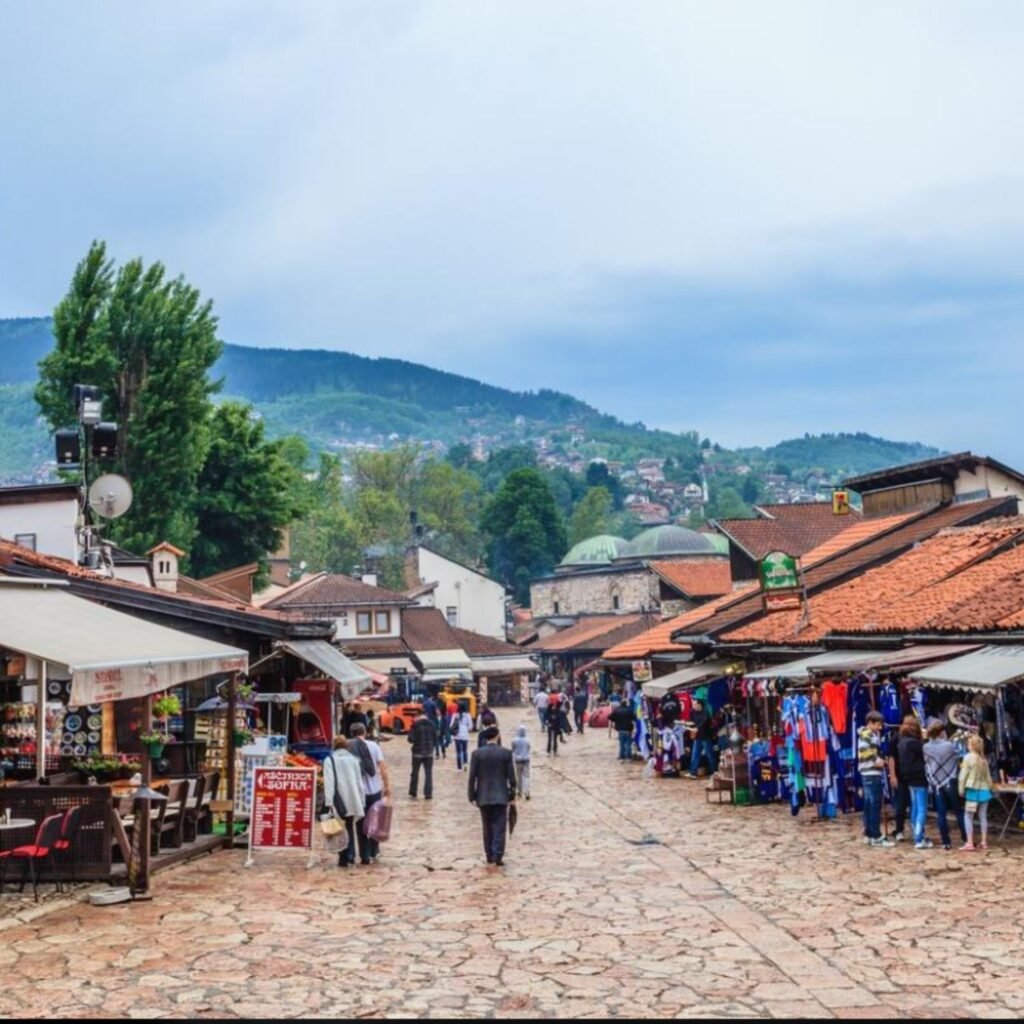
For the best overall value: Sarajevo
Ideal for a short cultural getaway with interesting history, traditional food, and comparatively low everyday costs.
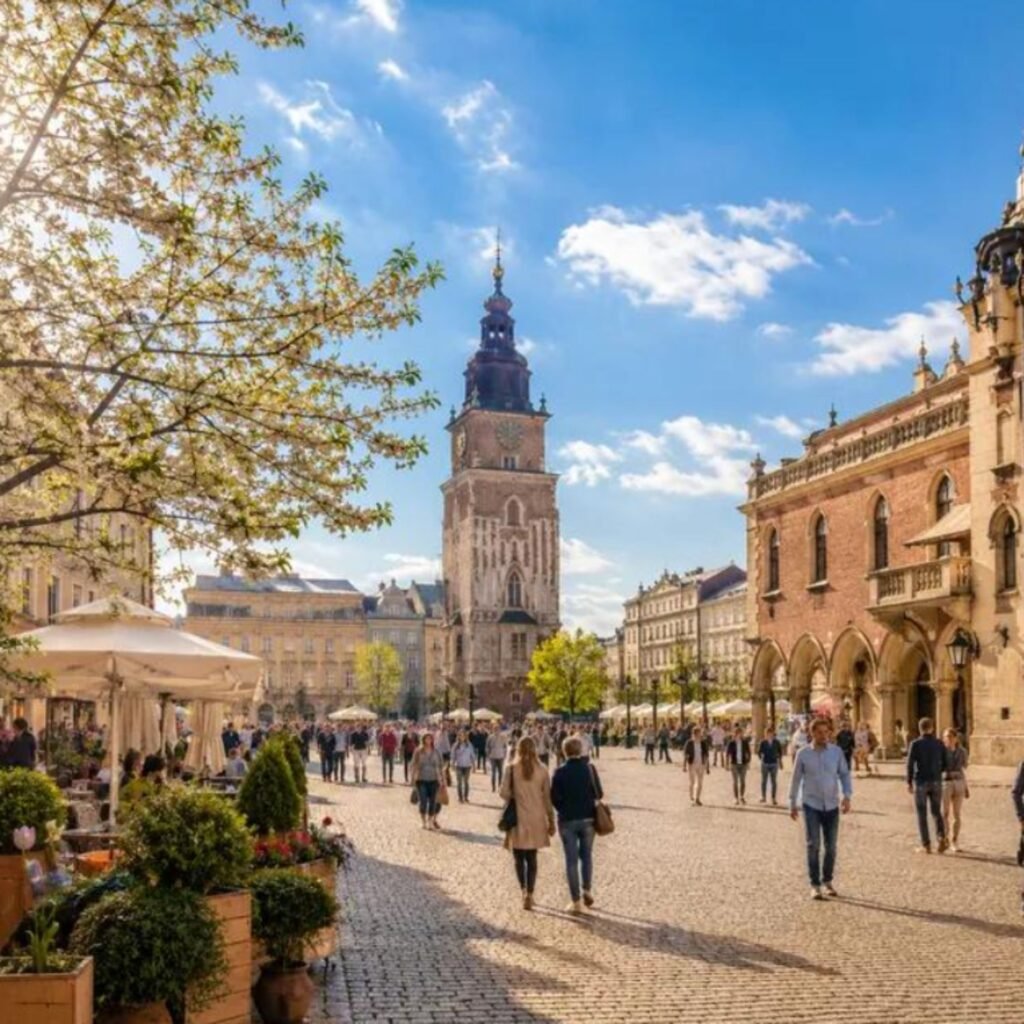
For romantic old-world scenery: Kraków
A lovely choice for medieval architecture, charming cafés, and easy walking.
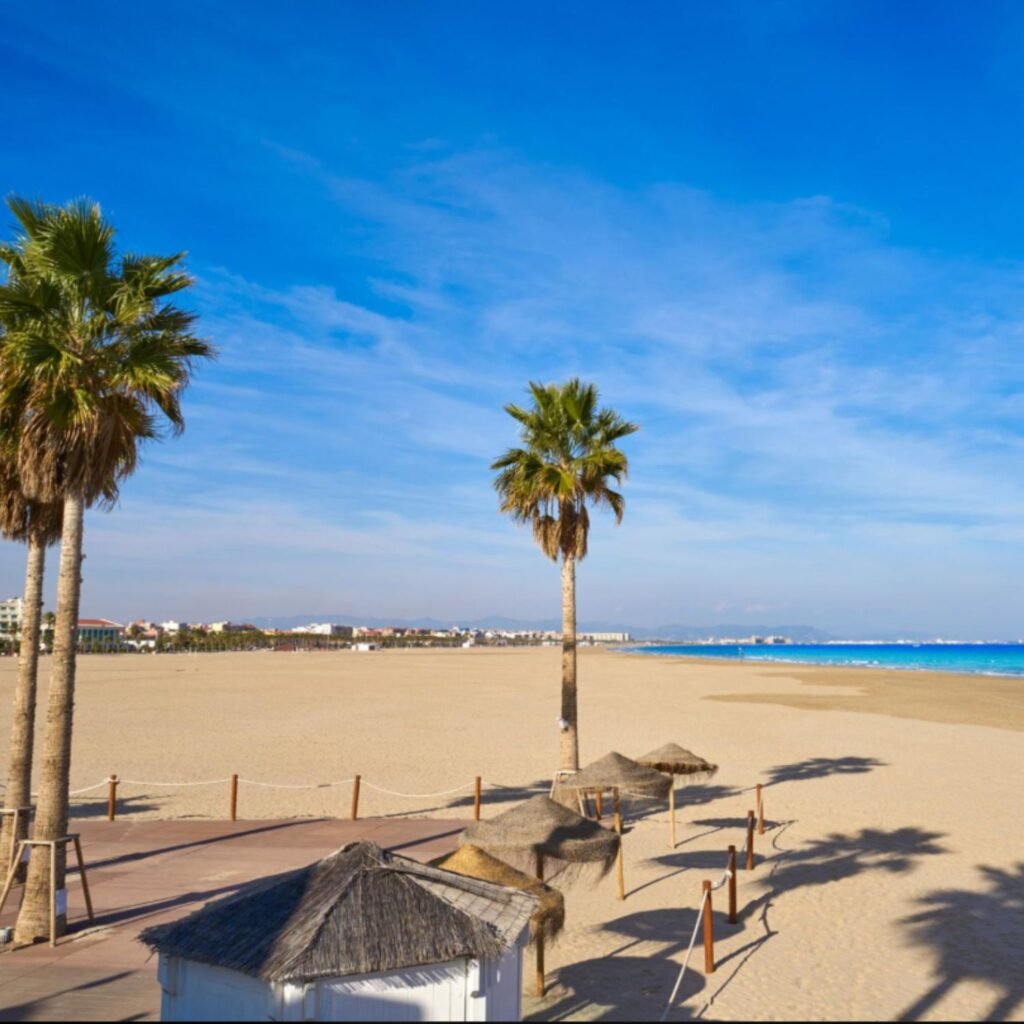
For sunshine and beaches: Valencia
Best for combining city attractions, Spanish food, and relaxed afternoons beside the Mediterranean.
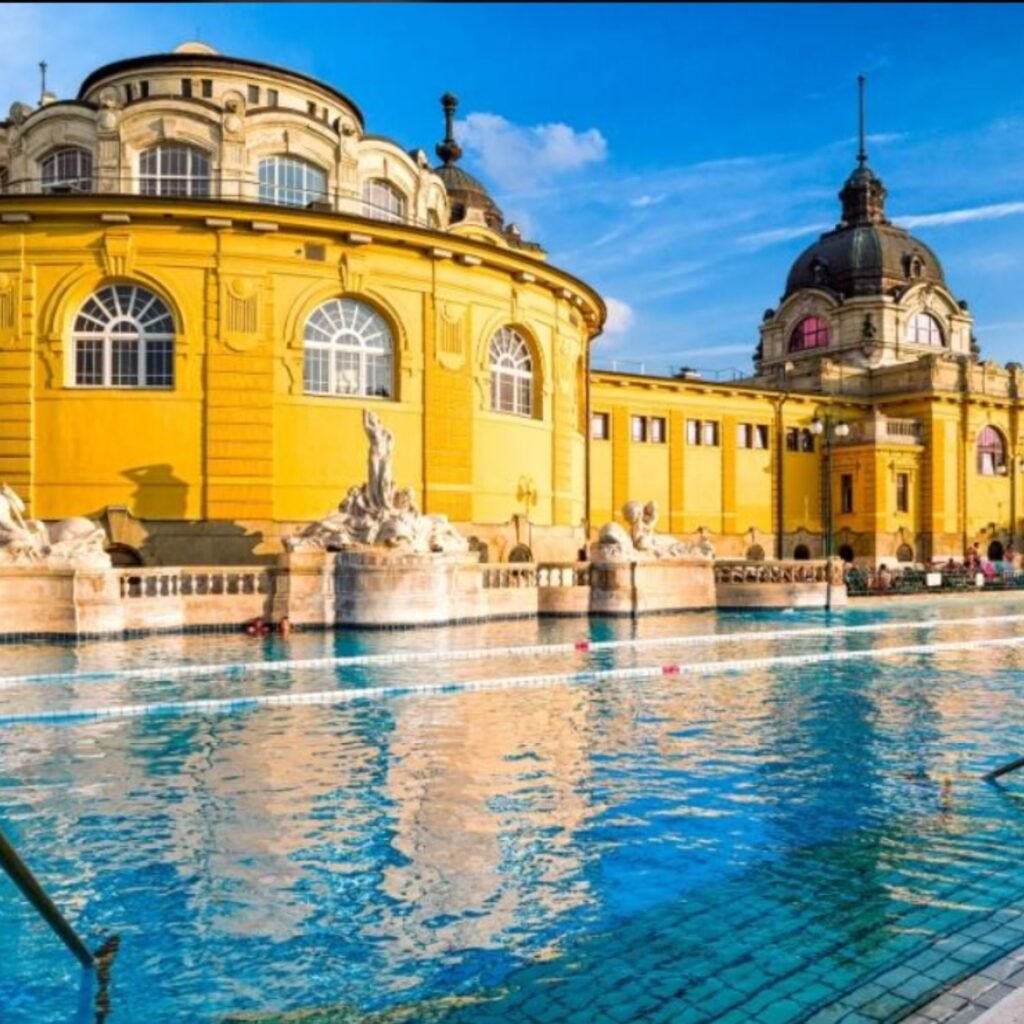
For a memorable girls’ getaway: Budapest
Think thermal baths, beautiful architecture, café stops, and evening walks beside the Danube.
Europe has plenty of beautiful places that don’t require a luxury travel budget. The most satisfying trip is often the one where you can enjoy the city comfortably, rather than constantly calculating whether you can afford another coffee, museum ticket, or restaurant meal.
Choose a destination that suits your interests, travel during a quieter period, and leave room in your itinerary for the little experiences that make exploring a new city enjoyable.



Pingback: 15 Safe & Stunning Solo Travel Destinations for Black Women – travel.galantmedia.com.ng
Pingback: 11 Best Adults-Only Resorts in Florida for a Romantic, Relaxing Getaway – travel.galantmedia.com.ng